





The Social Reckoning tackles Facebook's misinformation epidemic in a compelling sequel that informs audiences but misses David Fincher's cinematic touch.
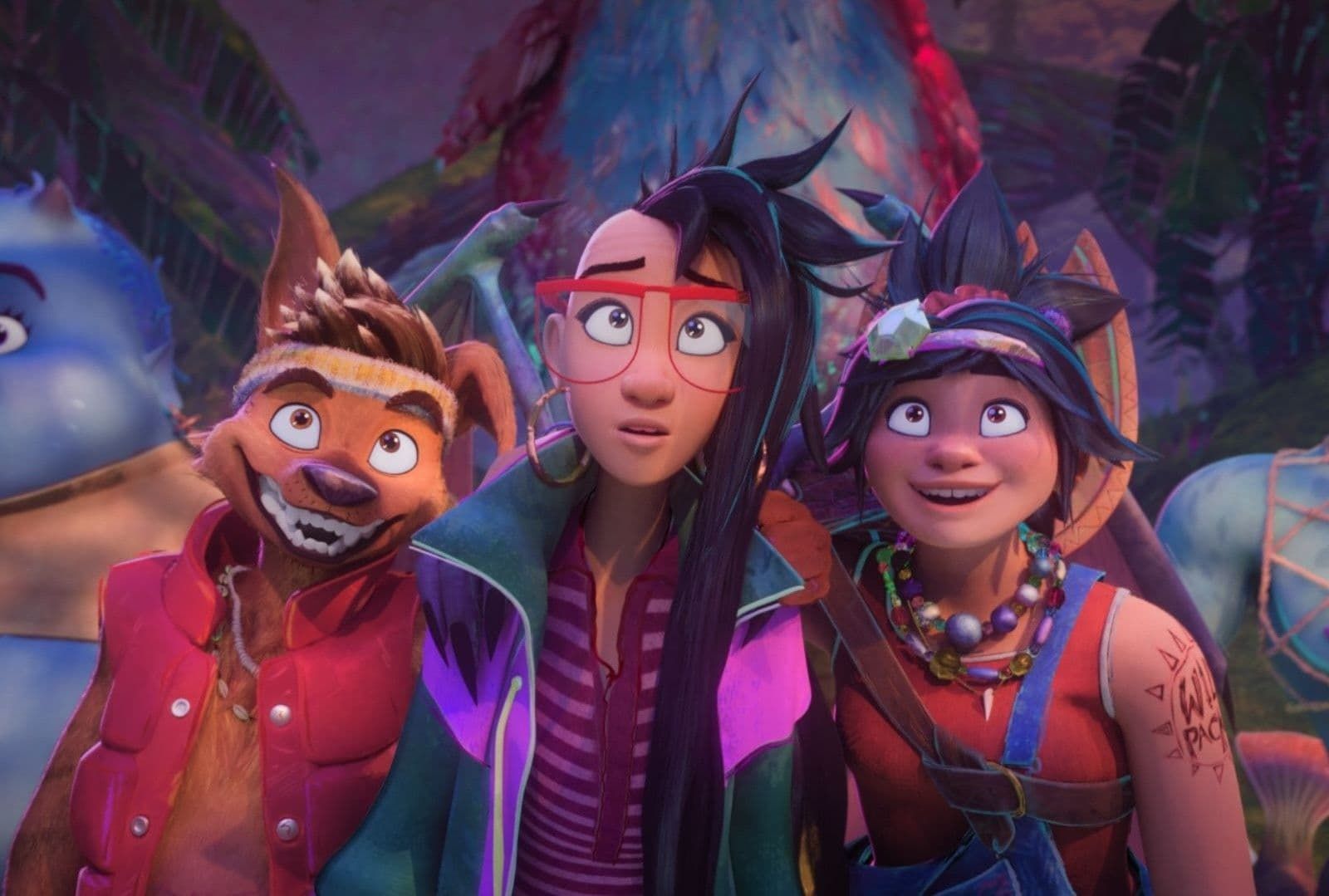
DreamWorks' Forgotten Island blends Filipino culture, bold animation, and visually chaotic energy that ultimately delivers an emotionally satisfying journey.

The Influencer Project pushes found-footage horror into offensive territory, relying on provocative content and disturbing imagery rather than intelligence.

Aardman's Shaun the Sheep: The Beast of Mossy Bottom delivers Halloween fun for all ages, combining impressive stop-motion animation with clever visual comedy.
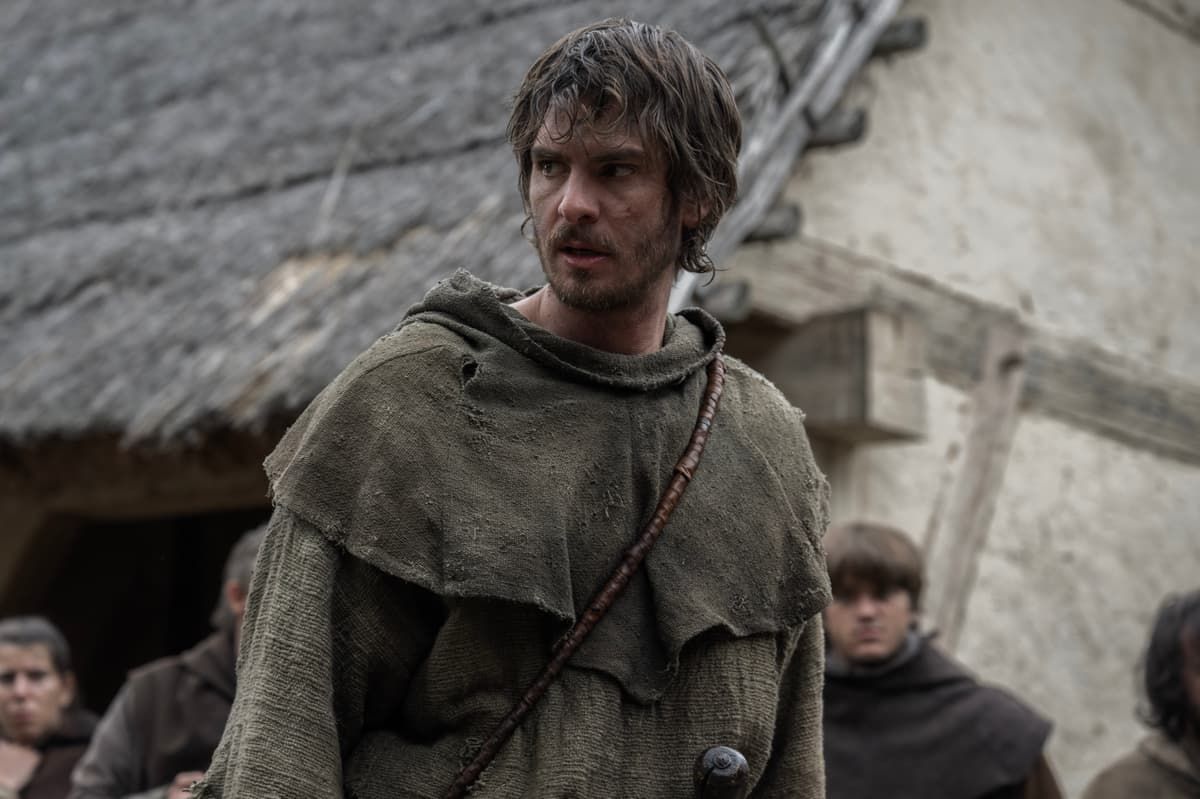
Despite strong performances, solid action, and an intriguing premise, The Uprising struggles to rise above mediocrity and lacks emotional impact or stakes.

Tom Cruise stars as a billionaire oil CEO in Alejandro G. Iñárritu's chaotic black comedy "Digger." Is this wild climate satire a misunderstood masterpiece?

A gripping look at the events aboard United Flight 93, iCritic's review explores how Greengrass's film powerfully captures the fear, courage, and chaos of 9/11.

Disney’s Star Wars hotel promised an immersive revolution but became a costly failure—revealing the hubris behind one of Disney’s biggest miscalculations in history.
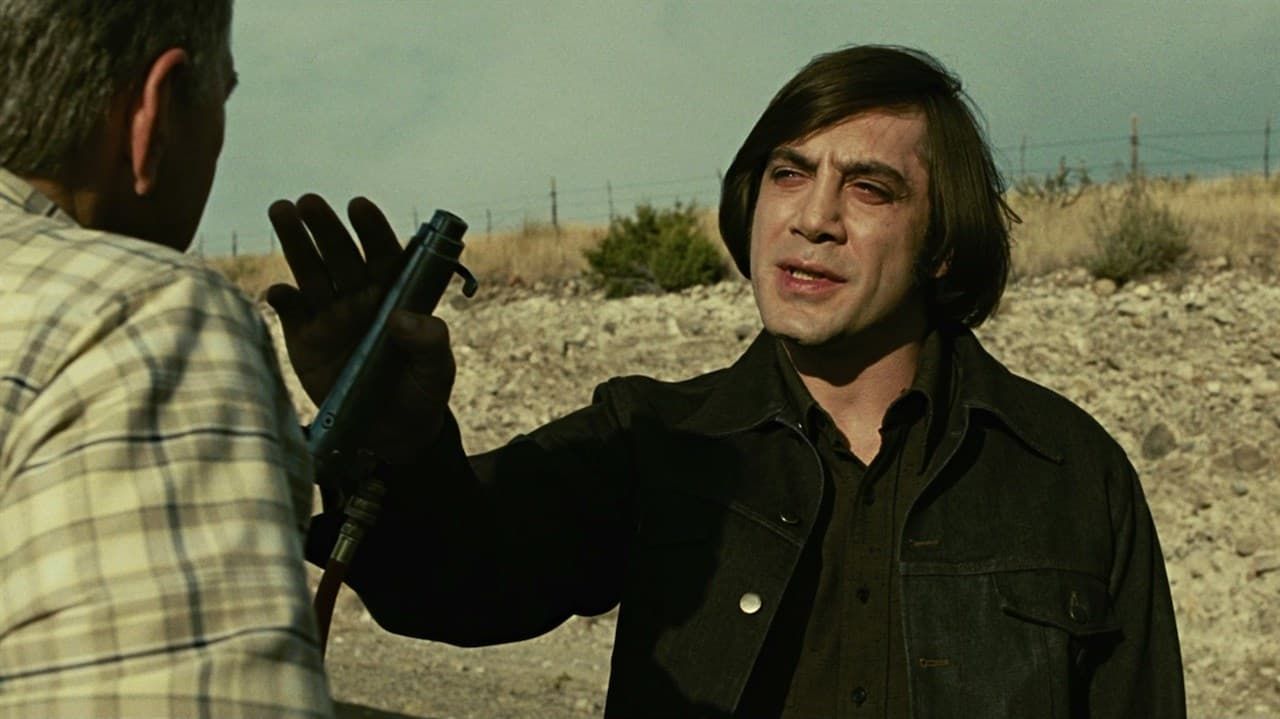
Does the Coen brothers' "No Country for Old Men" live up to its massive hype? Read our full review exploring Javier Bardem, Josh Brolin, and that shocking ending.

Does Marvel's epic team-up live up to the hype? Read iCritic's full review of "The Avengers" exploring Joss Whedon's witty dialogue, Loki, and non-stop action.
The Social Reckoning tackles Facebook's misinformation epidemic in a compelling sequel that informs audiences but misses David Fincher's cinematic touch.
DreamWorks' Forgotten Island blends Filipino culture, bold animation, and visually chaotic energy that ultimately delivers an emotionally satisfying journey.
The Influencer Project pushes found-footage horror into offensive territory, relying on provocative content and disturbing imagery rather than intelligence.
Aardman's Shaun the Sheep: The Beast of Mossy Bottom delivers Halloween fun for all ages, combining impressive stop-motion animation with clever visual comedy.
Despite strong performances, solid action, and an intriguing premise, The Uprising struggles to rise above mediocrity and lacks emotional impact or stakes.
Tom Cruise stars as a billionaire oil CEO in Alejandro G. Iñárritu's chaotic black comedy "Digger." Is this wild climate satire a misunderstood masterpiece?
A gripping look at the events aboard United Flight 93, iCritic's review explores how Greengrass's film powerfully captures the fear, courage, and chaos of 9/11.
Disney’s Star Wars hotel promised an immersive revolution but became a costly failure—revealing the hubris behind one of Disney’s biggest miscalculations in history.
Does the Coen brothers' "No Country for Old Men" live up to its massive hype? Read our full review exploring Javier Bardem, Josh Brolin, and that shocking ending.
Does Marvel's epic team-up live up to the hype? Read iCritic's full review of "The Avengers" exploring Joss Whedon's witty dialogue, Loki, and non-stop action.