

At 80 Years Old, "Song of the South" Remains Charming & Controversial
Kevin Rodriguez • November 12, 2026
Title: Song of the South
Director: Harve Foster
Genre: Drama
Studio: Walt Disney Pictures
Rating: G
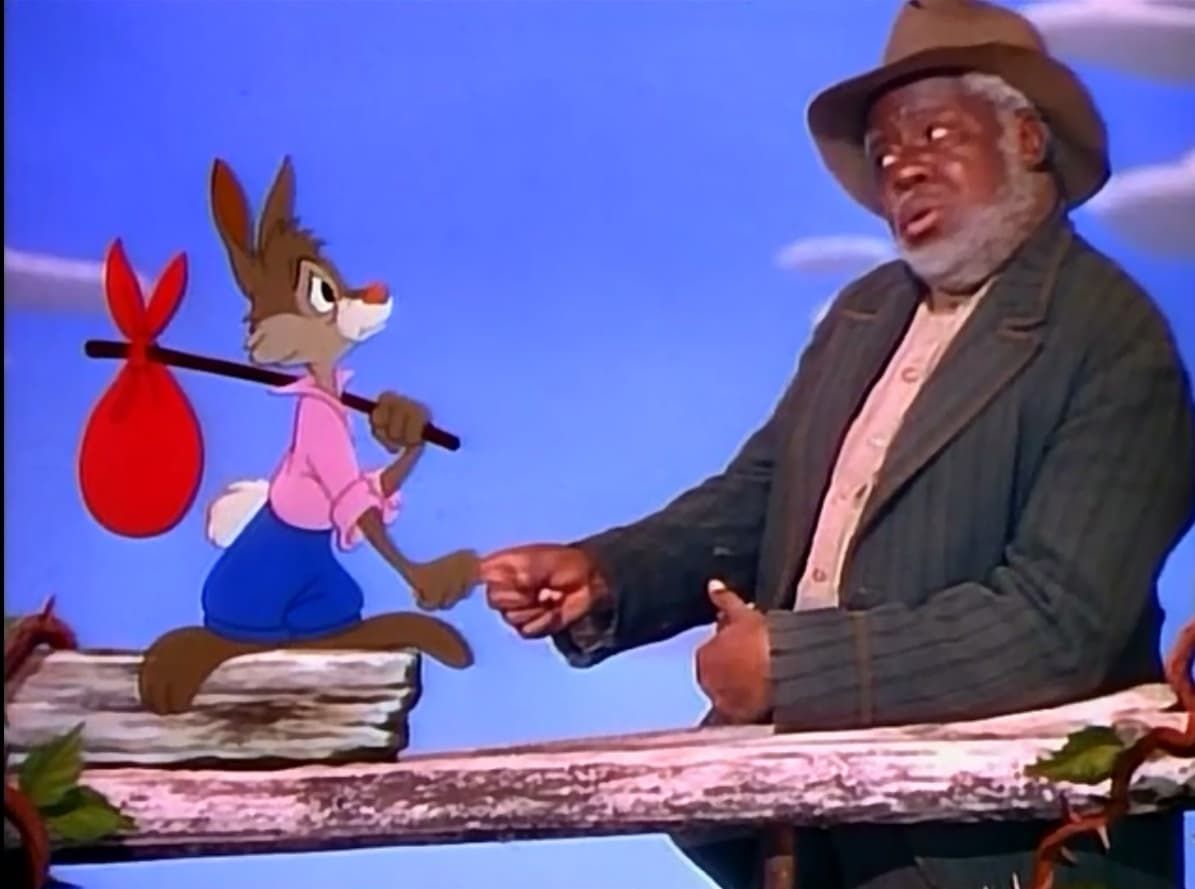
How does one begin to approach Song of the South? Produced by Walt Disney back in 1946, there is a joke that a Disney movie is more than a movie, but in this case… yeah, Song of the South really is more than a movie. It is a historical artifact of firsts for the studio and Hollywood history. It is a multi-award winner with one of the most memorable Oscar-winning songs of all time. It has also been highly criticized for racial stereotypes (some true, some not true). It was their first feature-length film to blend live action and animation (predating Mary Poppins by several years). It inspired a famous ride that has its own political movement. And here’s the ironic part: it hasn’t been legally available to watch in more than thirty years. You can’t even buy a legally produced DVD because The Walt Disney Company outright refuses to make one.
What on Earth is it about this movie that gets people so angry?
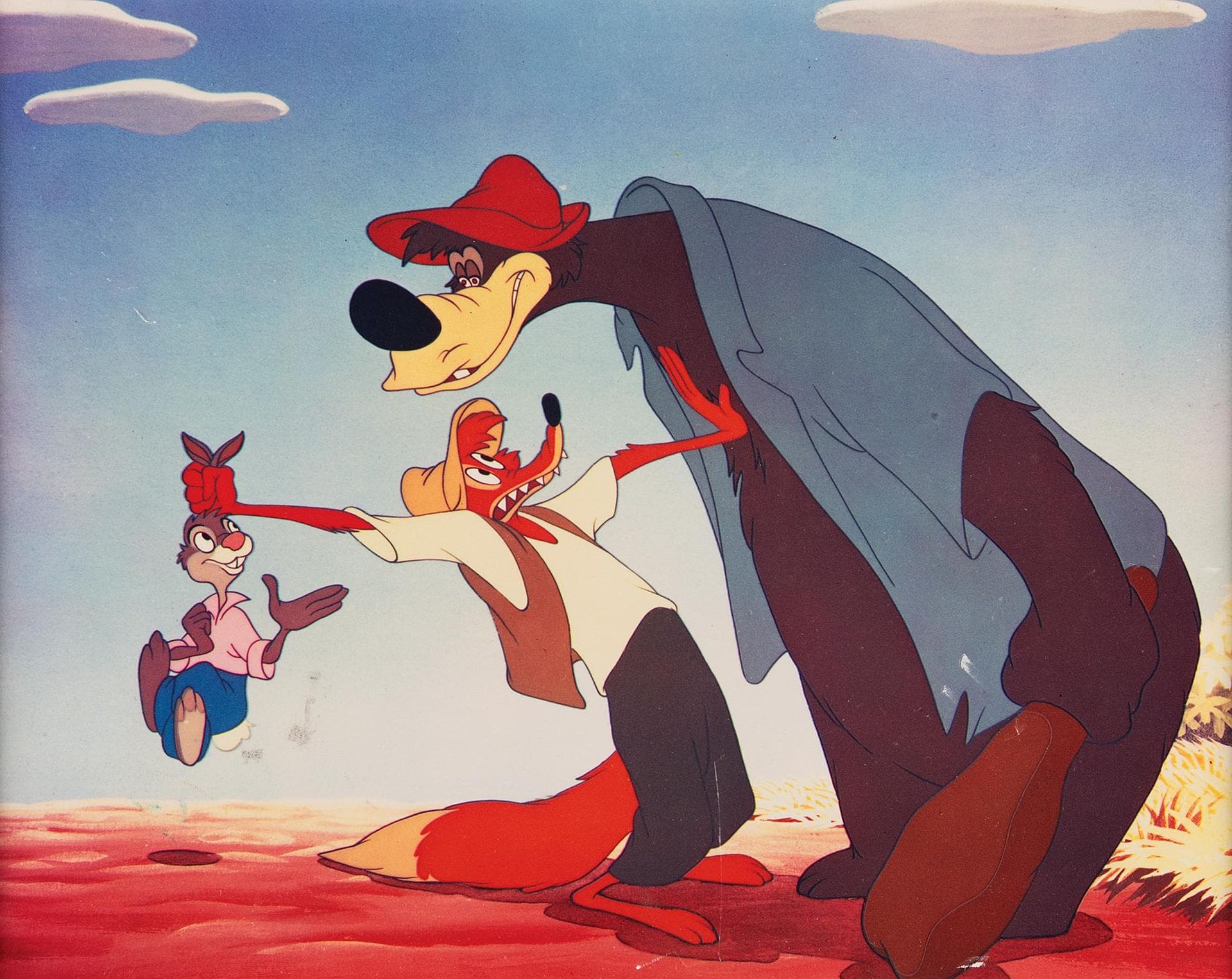
In reality, chances are that unavailability has likely contributed to the infamy of the product more than the product itself. While older movies with problematic elements continue to be widely available (I just saw Gone with the Wind and The Searchers in theaters recently), Song of the South remains firmly in the Disney Vault, treated like it was the second coming of The Birth of a Nation or something like that (a truly racist movie that, I need to point out, IS available on a high-quality 4K Blu-ray remaster from Kino Lorber). And what racist story is so offensive that Disney feels these steps are necessary? Well, it tells the story of a young white boy who takes comfort in the tales of an older Black man who shares stories of a critter named Br'er Rabbit who constantly outwits his enemies, Br'er Fox and Br'er Bear.
That's it.

Alright, clearly there’s some context that needs to be pointed out, as movies with cartoon rabbits and foxes don’t get lifetime bans every day (or even every few years). No, the issue with this movie is the setting, which takes place after the end of the Civil War on an old plantation where former Black slaves go to work every day, sing songs, and live generally happy lives. The movie only hints at when this all takes place, which has contributed to much of the controversy. I remember talking to a friend of mine about the film recently, and his major problem with the movie was that it showed “happy slaves” as a normal thing. I pointed out that the Black people were not slaves, but free people. He looked at me and said, “Really?” I said yes (and then pointed out that, as proof, a Black man is free to leave his home without permission).
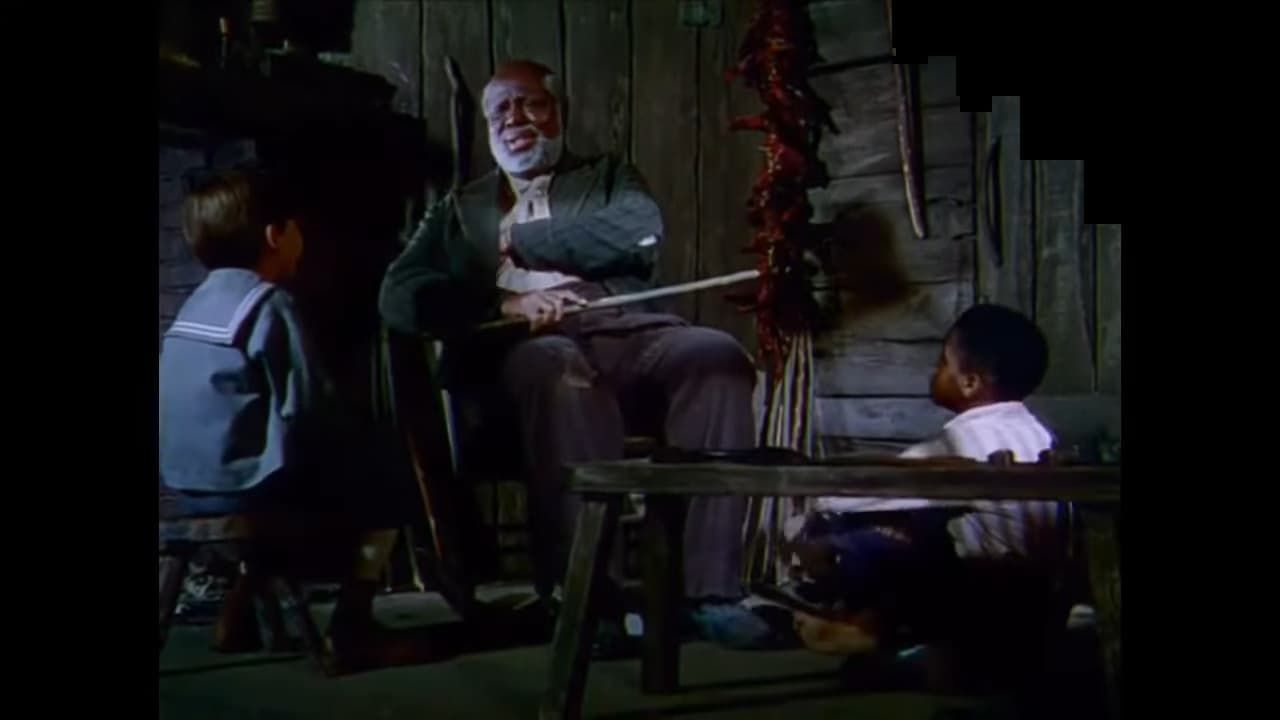
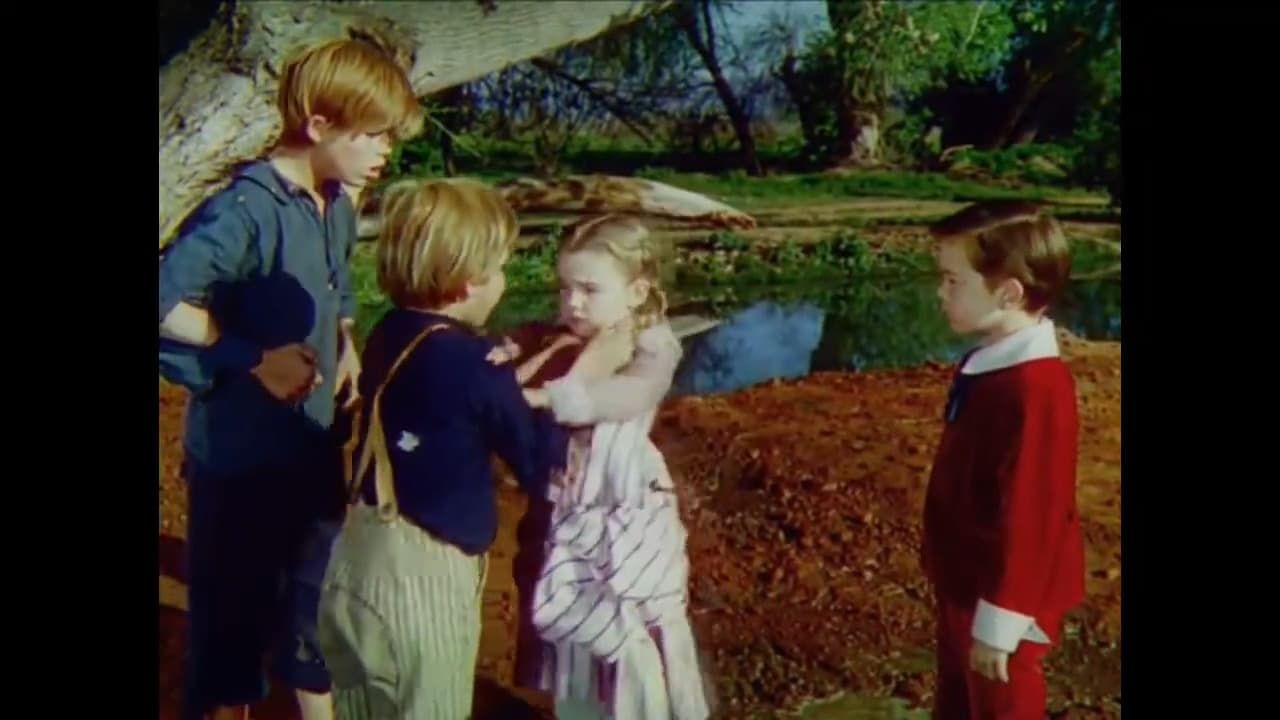
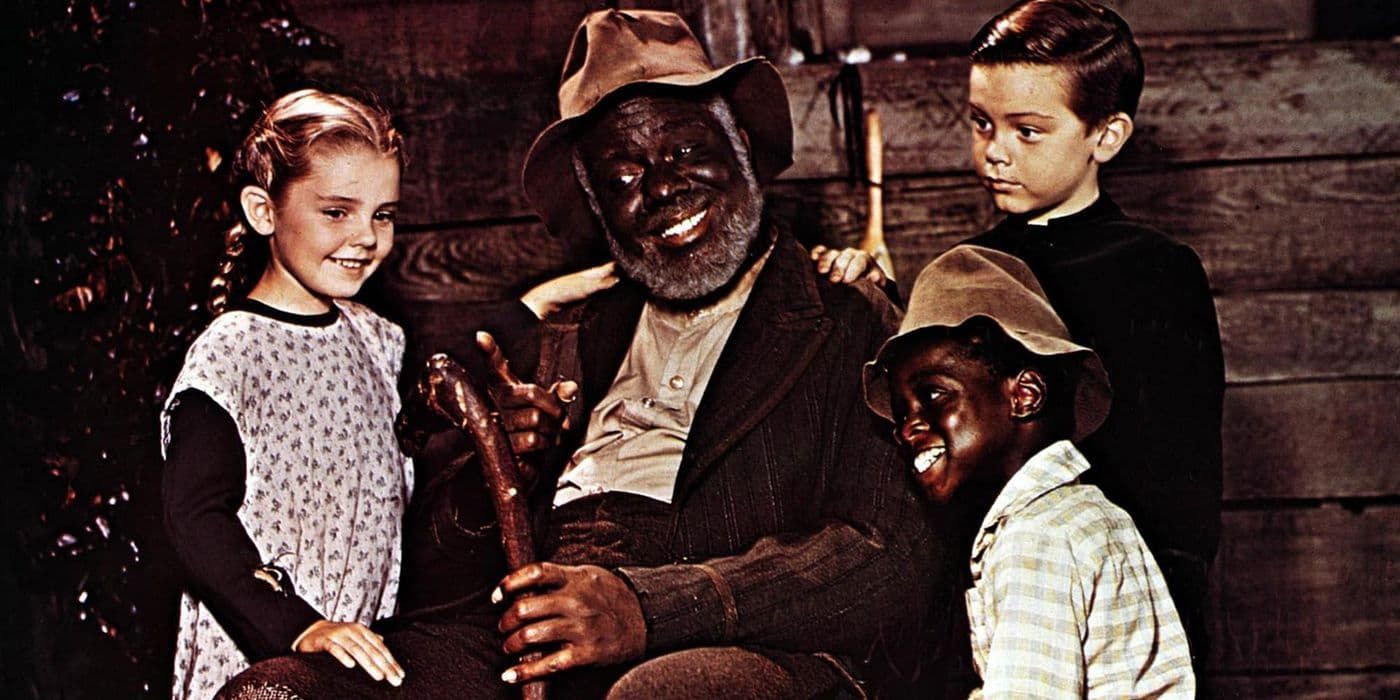
Reading between the lines became a big problem for a movie that was, at its heart, about two unlikely friends bonding from different walks of life. Johnny is the son of an important Confederate politician, who is feeling lonely with his dad needing to leave town (likely to help clean up the mess started by the Confederate Army). Uncle Remus is a former slave who spends his days giving hope to his neighbors through stories of colorful critters learning tough lessons through trial and error. His storytelling is so vibrant that he sings himself right into the cartoon world a few times. The stories captivate young Johnny, who, on top of dealing with his overbearing mother and absent father, also has to deal with two bullies who hate him because… well, I’m not sure why, but bullies are bullies sometimes.
He also makes friends with a young white girl and a young Black boy, and they play together as if their skin color doesn’t matter. Scenes like this matter because I feel they get lost in the bigger discussion about the roles of the adults in the film, which is more obviously segregated and filled with tension. One of the things that makes
Song of the South such a touchy subject is that the reputation of the movie doesn’t really reflect the reality of it. Likewise, partly because of the lack of availability, the reputation of the film has grown in stature to a point where I believe people are building the film up to be more of a masterpiece than it actually is. Yes, “Zip-a-Dee-Doo-Dah” is easily one of cinema's most memorable songs. Yes, James Baskett's performance as Uncle Remus is sweet and commanding, and he deserved the honorary Academy Award he received (becoming the first Black actor to win such a prize).a
The animated sequences are the highlight of the film, and the movie truly comes to life during them. This is all true. Yet the movie is also slow and awkwardly paced when the humans are the focus, leading one of my friends to call the pacing of the film “pokey.” The story is really not as engaging as some would like to pretend it is, and there’s a reason people speak more fondly of the animated scenes than the live-action ones. The film is also nowhere near as racist as its detractors would have you believe, but there are enough problems there that it is worth scrutinizing. Why do the Black plantation workers still go to work when they are free? Why is the Hattie McDaniel character still serving her white employers when she doesn’t need to? Considering Uncle Remus wasn't paid for his years of labor, how is he able to live in a small house and retire?
Sure, you don’t hear racial slurs or see overt racism in the film, but the cloud of the aftermath of the Civil War still hangs over the movie, and the fact that the screenplay doesn’t want to acknowledge it invites more questions than answers, and this is a genuine problem for those paying attention. Ultimately, though, I think the biggest problem here is that we have a movie that is slightly problematic and nowhere near the classic it has been built up as. Yet it has been treated with such kid gloves that a monster was created. Let me share a scene from the movie Milk that left a strong impression on me: in this scene, Harvey Milk and his lover Scott receive a letter with a crudely drawn image of Milk being killed. Scott wants to call the cops, whereas Milk tells him to calm down.
Scott is about to put it into a drawer before Milk decides to pin it on the fridge, saying, “If you put it [in the drawer], it becomes this big scary monster that you can’t control. [On the fridge] we must deal with it every day, and it can’t scare us.” I learned a lesson that day: refusing to deal with problems doesn't make said problems go away; it just makes them bigger. By keeping Song of the South hidden from the public, Disney not only made the film more problematic than it really was, they also made the film more acclaimed than it deserved to be. Song of the South is, at the end of the day, a good but imperfect movie. Hardly a masterpiece (and certainly not a huge loss if you never see it), but it is a sweet story once you push your way through the story's obvious shortcomings.
I have long advocated for a Criterion Collection release to solve the problem. It could be released without the cartoon characters (or even Disney’s name) on the box art, sold in specialty stores, and sold at a premium for collectors (since Nightmare Alley was priced at $69.99, that seems like a good price for Song of the South to be sold at). Not only would this give fans a chance to finally buy the movie, but it would also provide special features where the history of the film is discussed in detail, and families wouldn’t feel tricked into buying something that they wouldn’t want their kids to see. In short, it would demystify the movie, and we could see it for what it always was: Walt Disney’s attempt to have his own Gone with the Wind. Which, when you look at it like that, makes the whole thing funnier than anything, because it arguably left just as big a social impact as that movie did (just without the huge box office).
Recent Posts