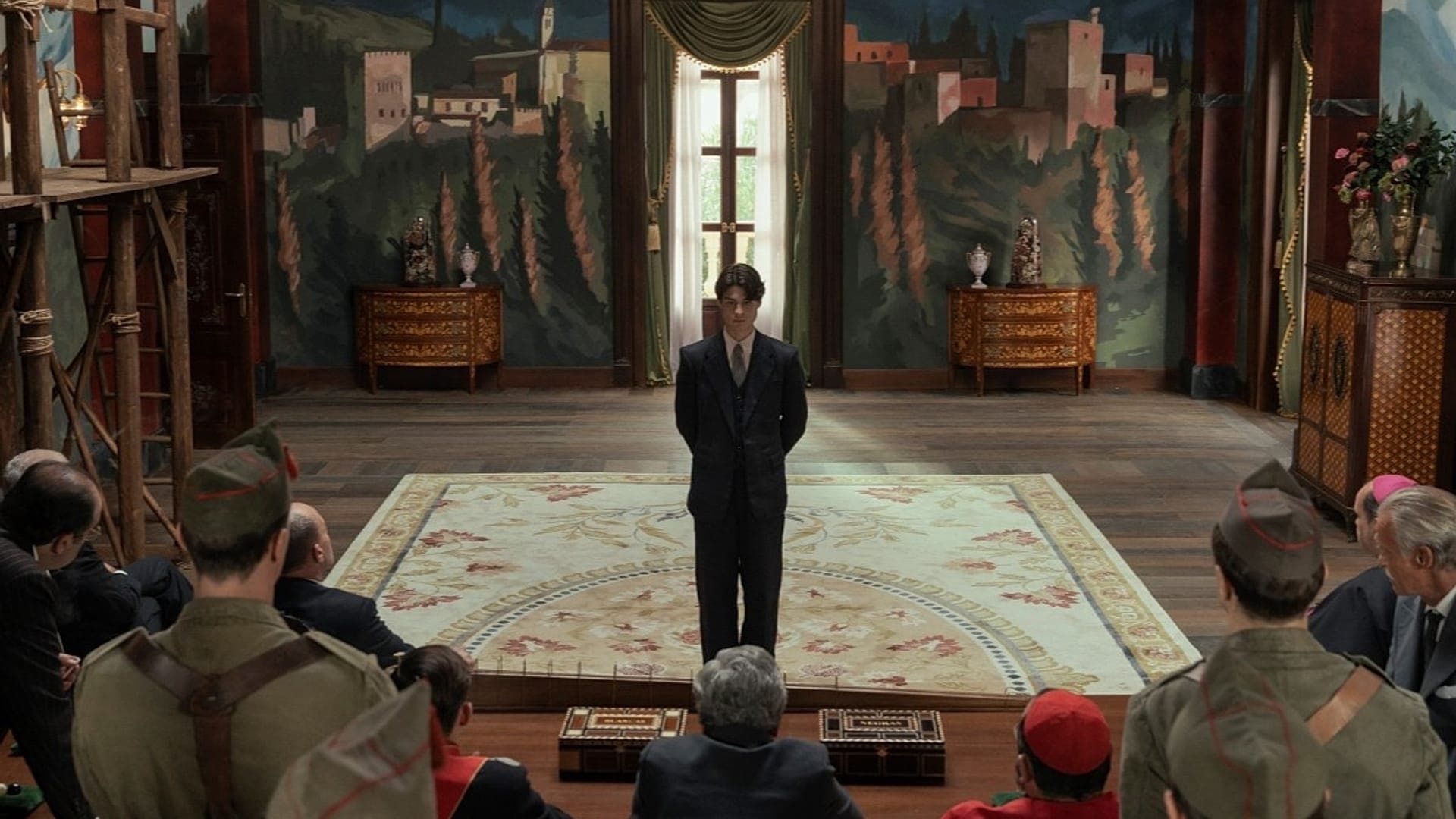


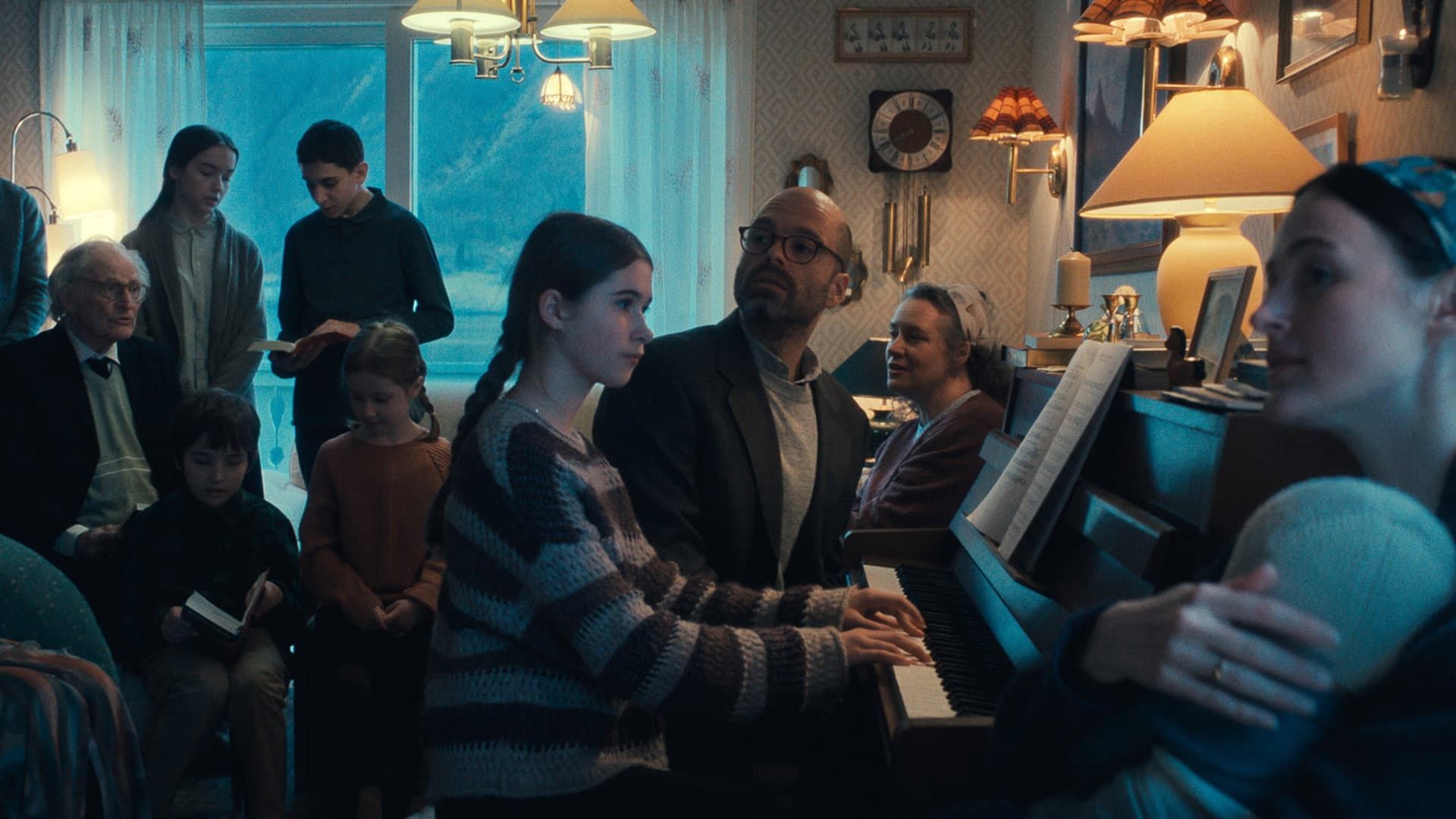
Fjord challenges audiences to confront religious intolerance, government overreach, and the importance of defending freedom even when others' beliefs differ.

The Lord of the Rings: The War of the Rohirrim delivers breathtaking 2D animation, immersive camera movement, and epic fantasy action worthy of Middle-earth.
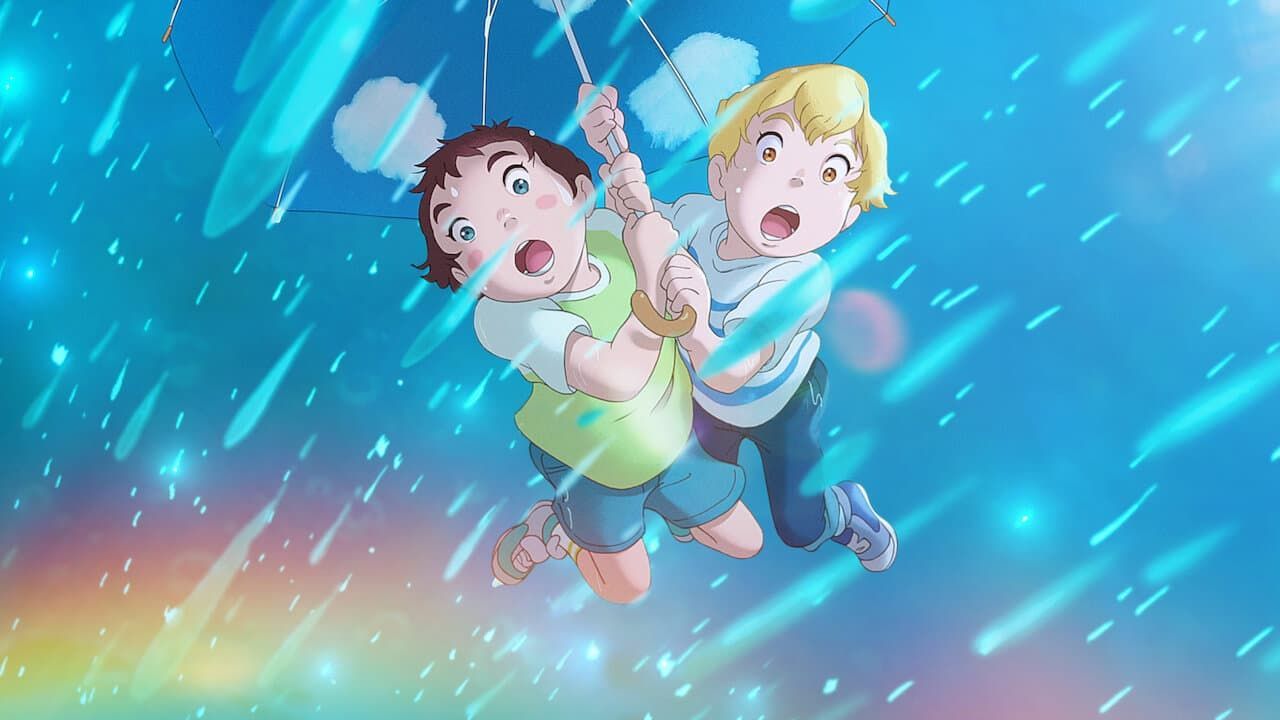
Studio Ponoc's The Imaginary blends breathtaking animation, childhood imagination, and heartfelt themes of growing up, loss, and the bittersweet realities of life.

Jesse Eisenberg's A Real Pain explores grief, family bonds, and the complicated emotions of two cousins reconnecting while tracing their grandmother's past.
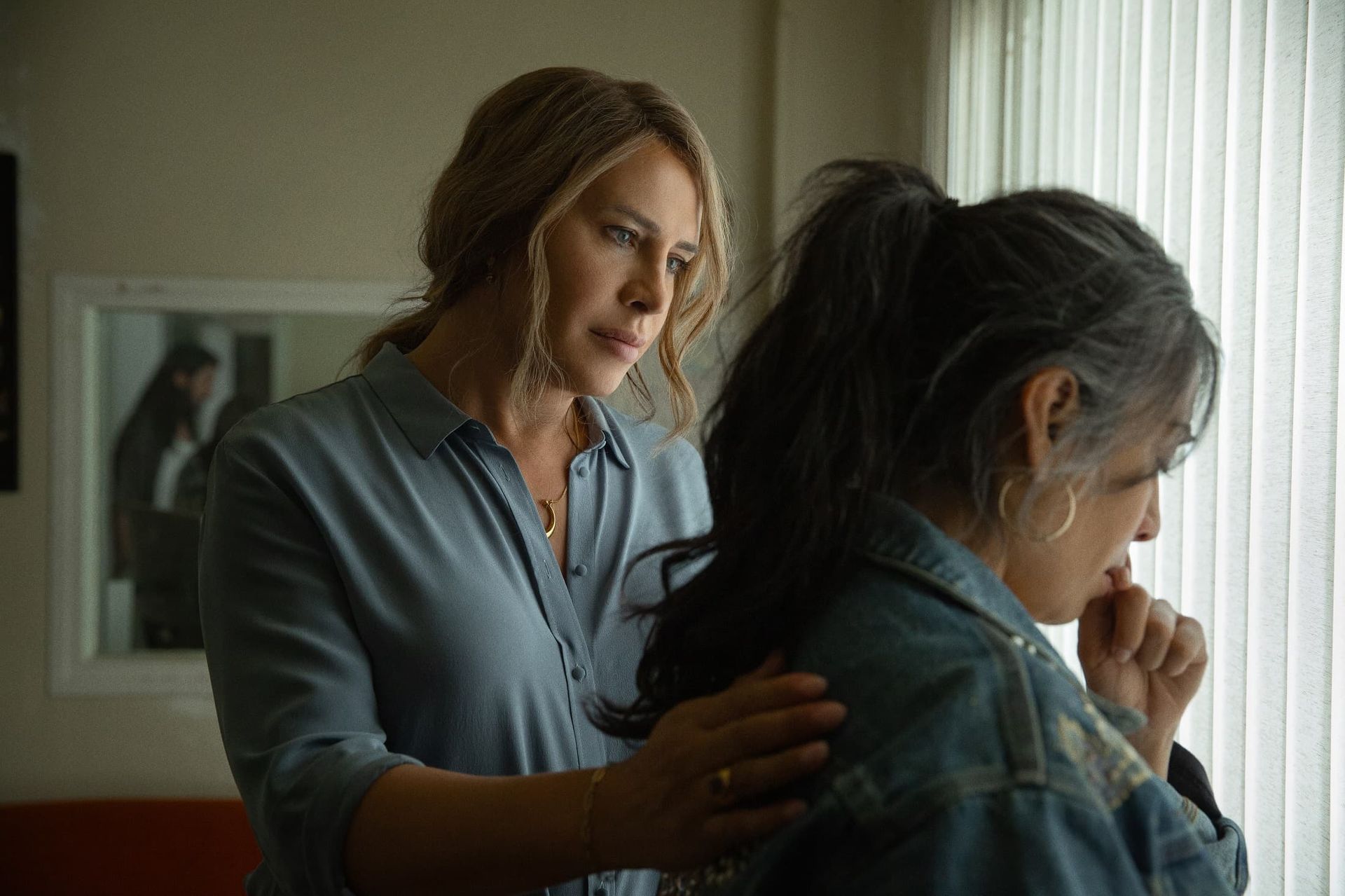
Emilia Pérez squanders a promising premise with shallow characters, questionable cultural portrayals, and music in a misguided attempt at groundbreaking cinema.

Laika delivers a breathtaking animated fantasy with "Wildwood," a visually stunning stop-motion adventure that feels like a kind of modern Disney classic movie.

Saving Private Ryan delivers a harrowing portrayal of war, honoring the fragile humanity and heroism of soldiers while finding hope amid the horror of battle.

Taika Waititi’s adaptation of *Klara and the Sun* squanders a promising novel with distracting humor, awkward performances, and a disappointing shift in tone.
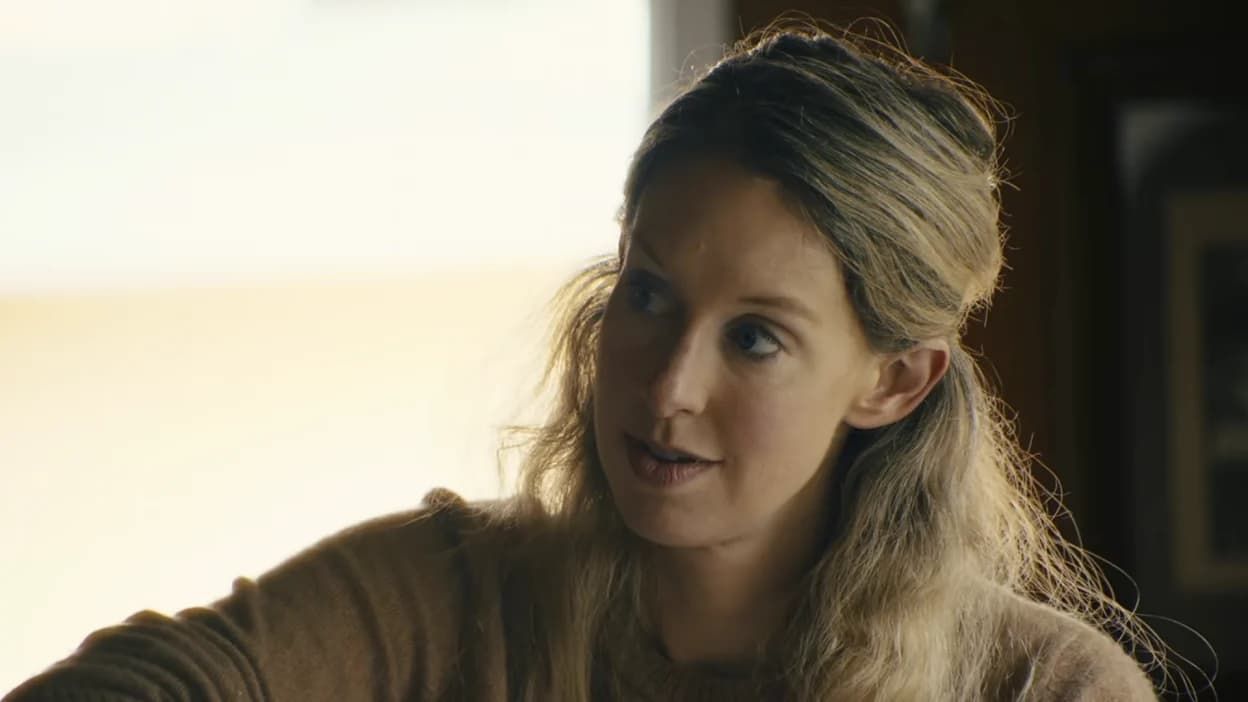
An Oscar campaign for {NAME REDACTED] in "You Can See Everything" isn't just unearned—it could sabotage the doc's historic shot at a Best Picture nomination.
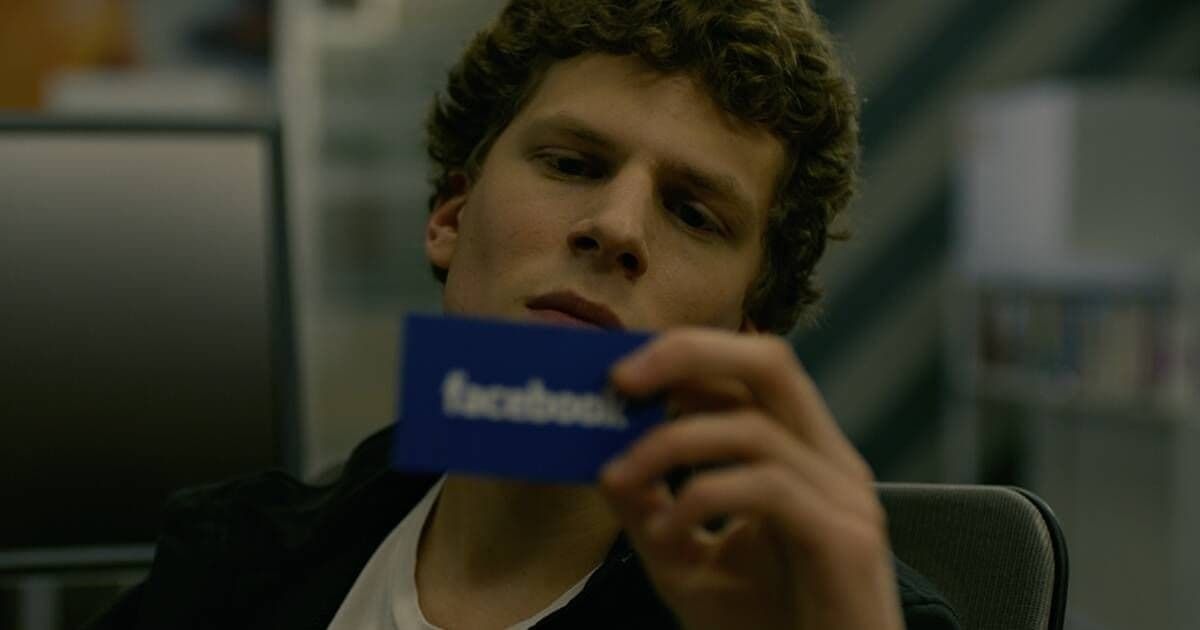
David Fincher's The Social Network explores friendship, ambition, and the rise of Facebook in a sharply written drama that captures a new era of communication.
Fjord challenges audiences to confront religious intolerance, government overreach, and the importance of defending freedom even when others' beliefs differ.
The Lord of the Rings: The War of the Rohirrim delivers breathtaking 2D animation, immersive camera movement, and epic fantasy action worthy of Middle-earth.
Studio Ponoc's The Imaginary blends breathtaking animation, childhood imagination, and heartfelt themes of growing up, loss, and the bittersweet realities of life.
Jesse Eisenberg's A Real Pain explores grief, family bonds, and the complicated emotions of two cousins reconnecting while tracing their grandmother's past.
Emilia Pérez squanders a promising premise with shallow characters, questionable cultural portrayals, and music in a misguided attempt at groundbreaking cinema.
Laika delivers a breathtaking animated fantasy with "Wildwood," a visually stunning stop-motion adventure that feels like a kind of modern Disney classic movie.
Saving Private Ryan delivers a harrowing portrayal of war, honoring the fragile humanity and heroism of soldiers while finding hope amid the horror of battle.
Taika Waititi’s adaptation of *Klara and the Sun* squanders a promising novel with distracting humor, awkward performances, and a disappointing shift in tone.
An Oscar campaign for {NAME REDACTED] in "You Can See Everything" isn't just unearned—it could sabotage the doc's historic shot at a Best Picture nomination.
David Fincher's The Social Network explores friendship, ambition, and the rise of Facebook in a sharply written drama that captures a new era of communication.