
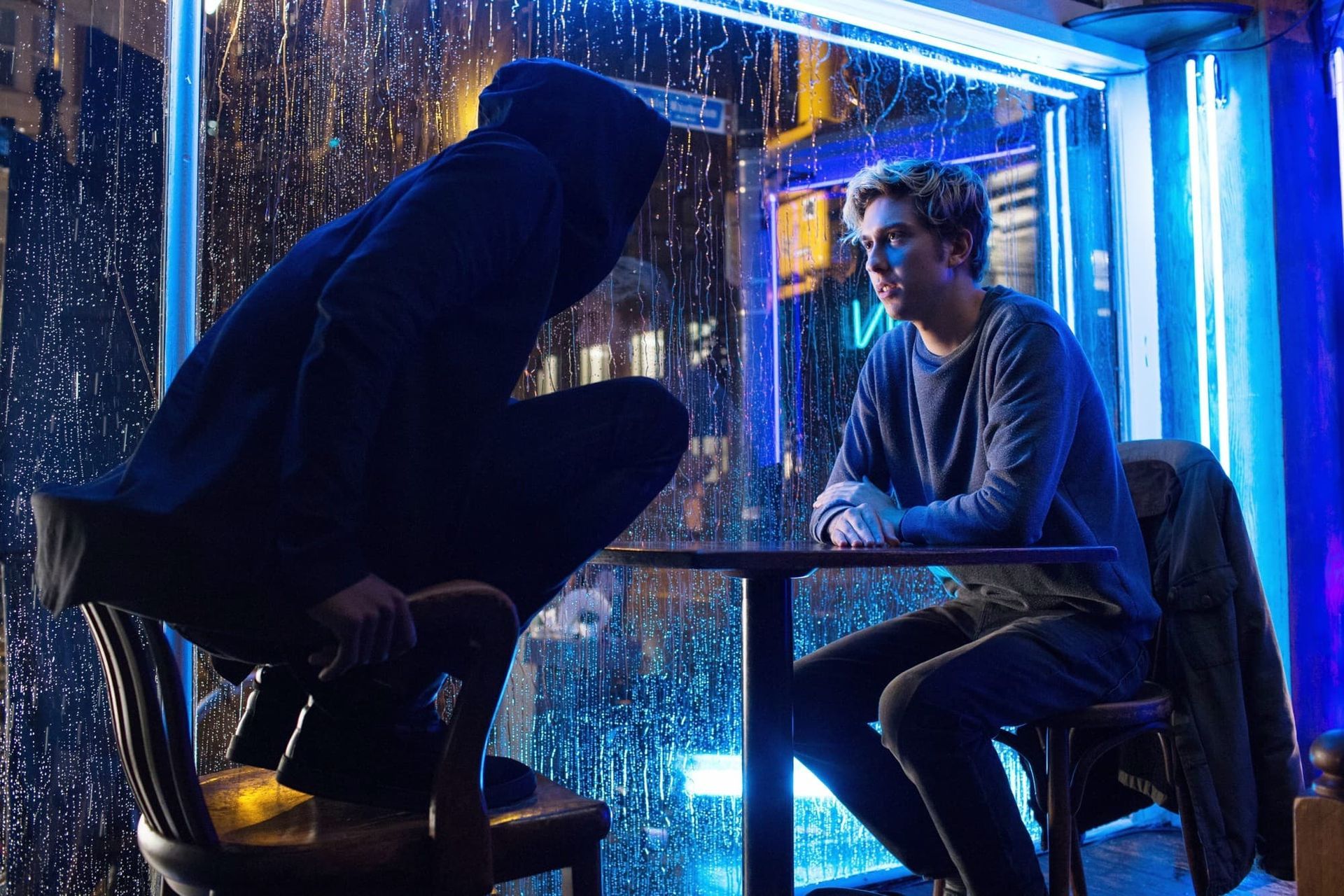
Death Note delivers a thrilling supernatural chase, but its streamlined American adaptation sacrifices much of the moral complexity that made the manga special.
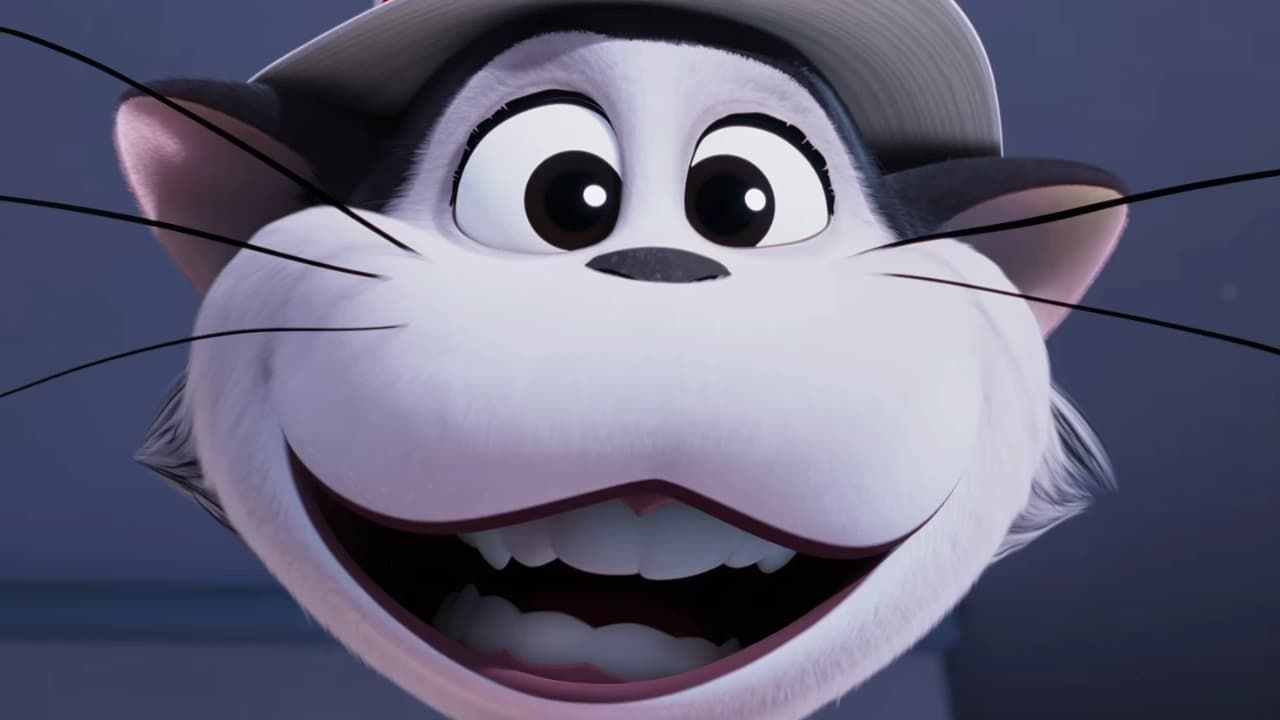
Bill Hader brings energy and heart to "The Cat in the Hat," but an overstuffed story makes this Dr. Seuss adaptation more exhausting than fun for families.
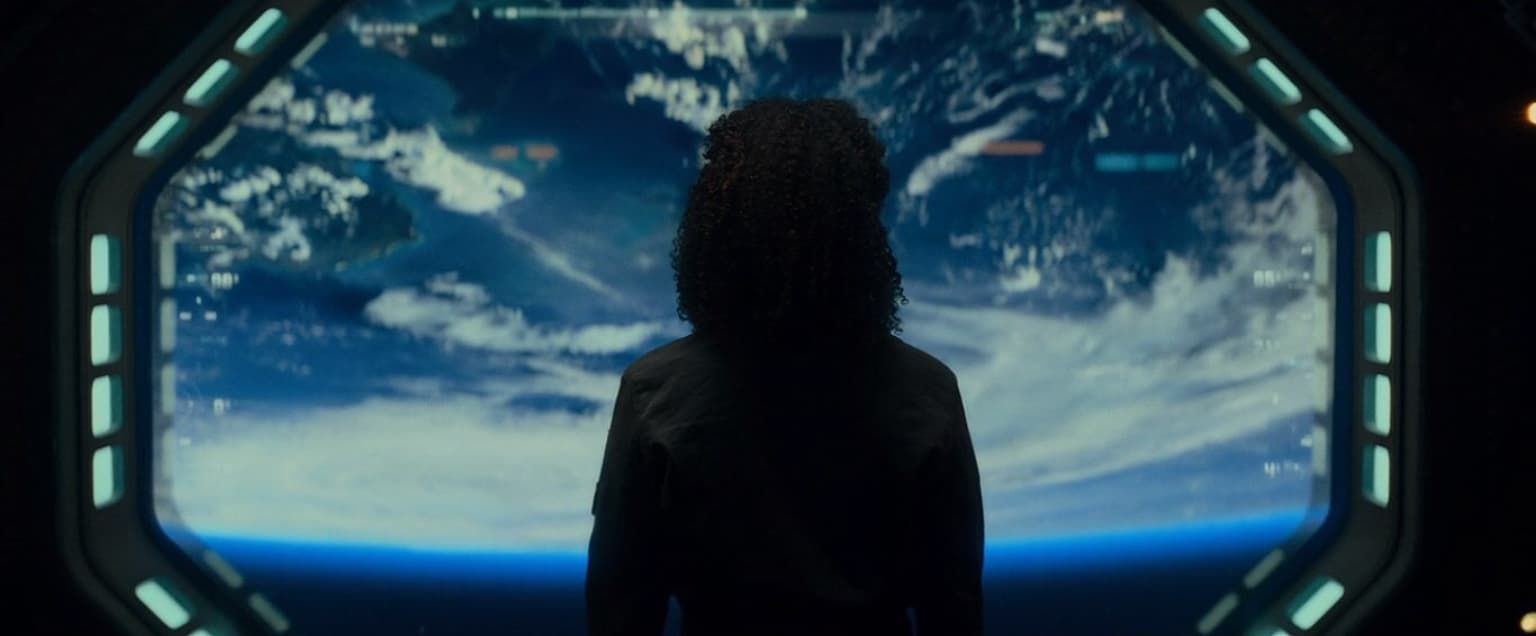
Netflix’s surprise release The Cloverfield Paradox was a major movie event, but this ambitious sci-fi thriller ultimately fails to deliver on its intriguing premise.
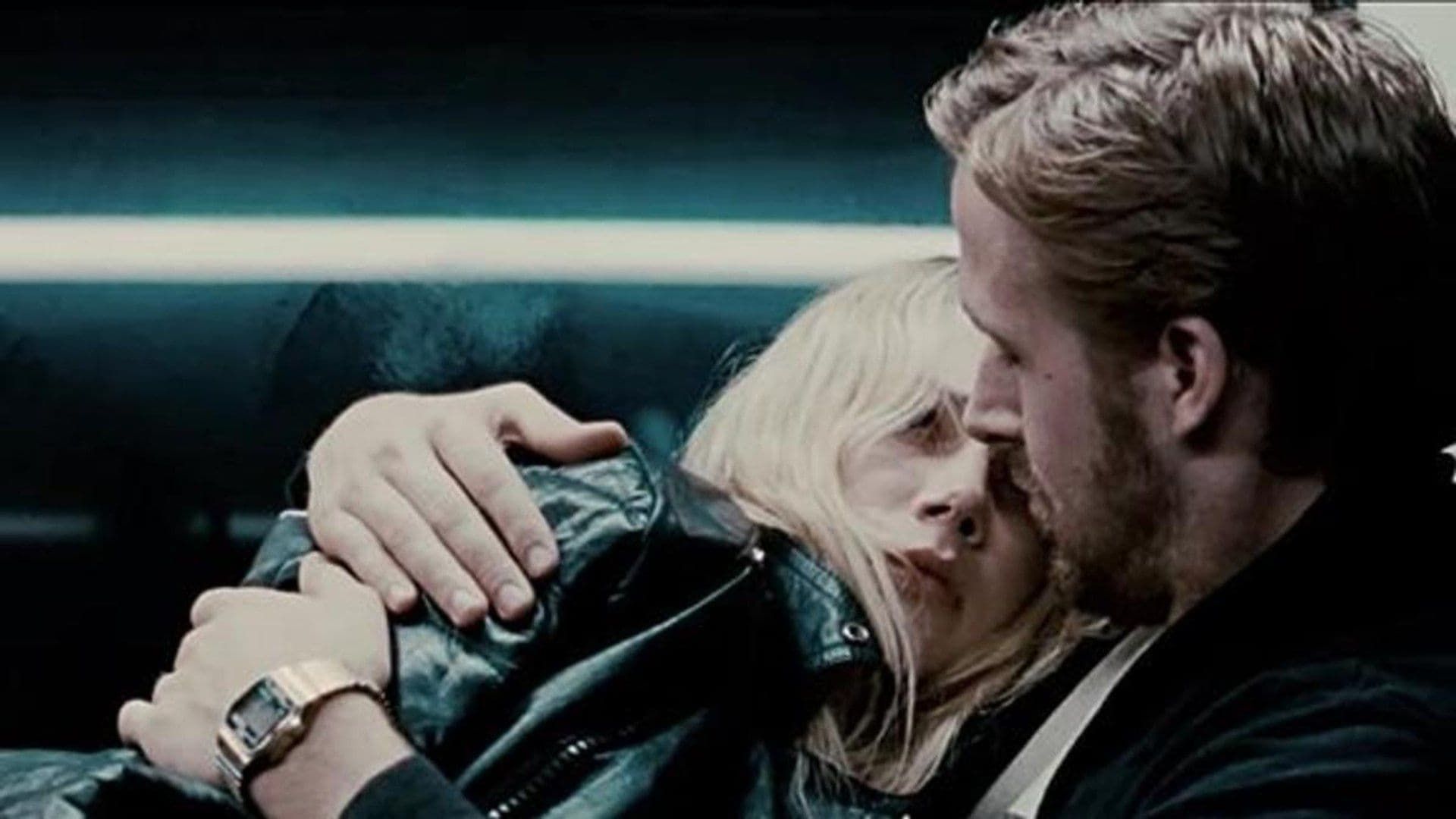
Ryan Gosling and Michelle Williams deliver powerful performances in Blue Valentine, a heartbreaking look at love, marriage, and how relationships fall apart.
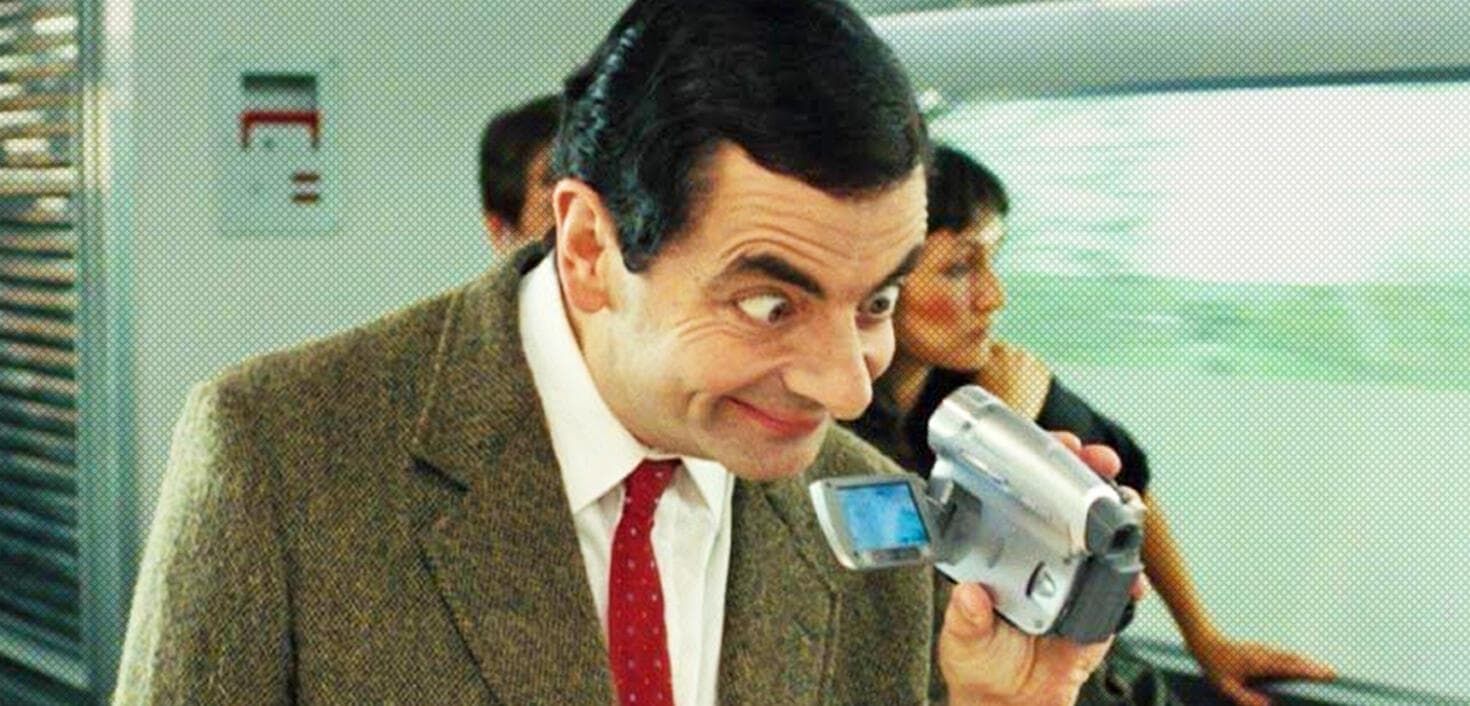
Rowan Atkinson brings plenty of laughs to "Bean: The Movie," but Americanized humor and an awkward storyline make this big-screen adaptation feel misguided.
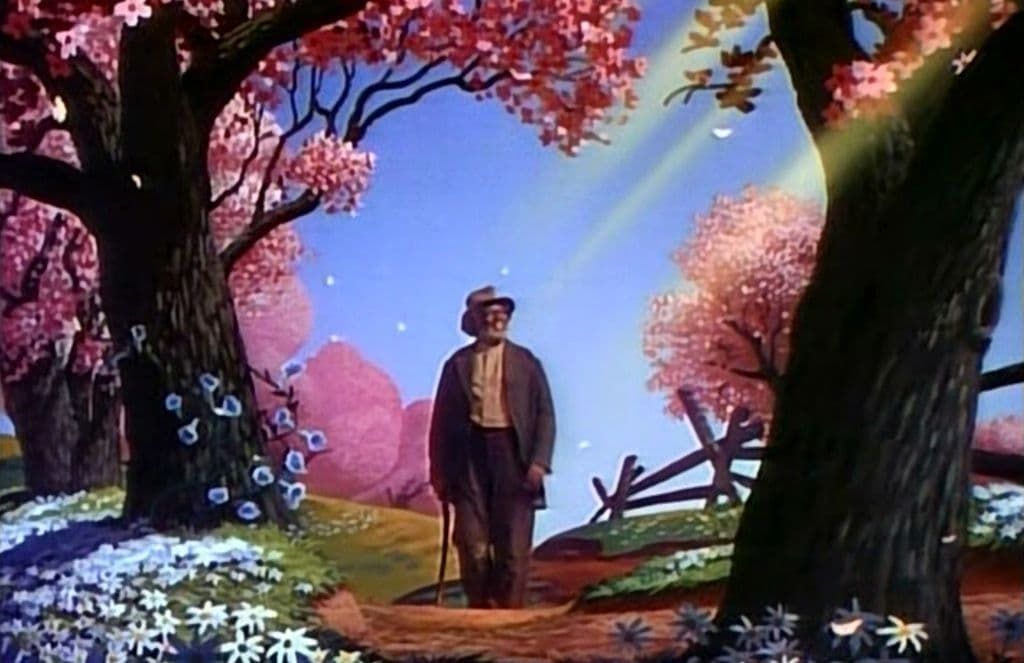
At 80, Disney’s Song of the South remains a charming but flawed film whose racial controversy and decades of suppression have made it a cultural lightning rod.

MoviePass, MovieCrash examines the spectacular rise and fall of MoviePass, but misses the excitement that made its moviegoing revolution so memorable.
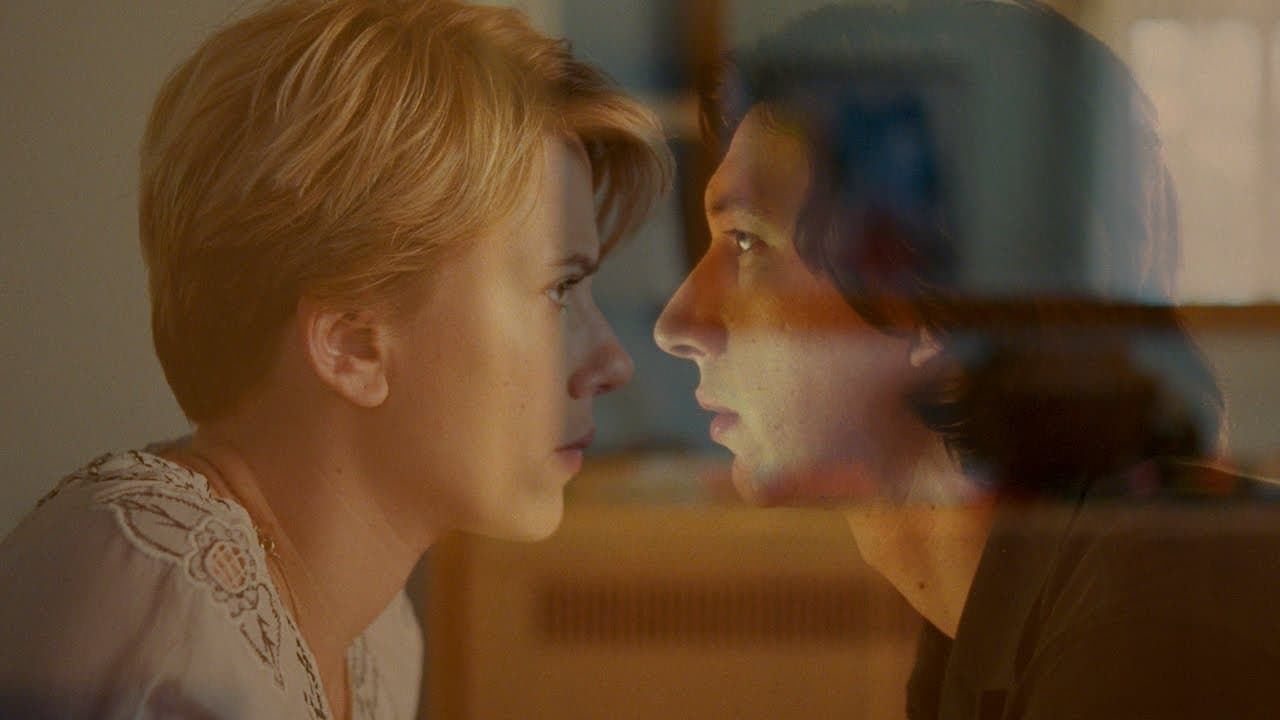
Noah Baumbach’s Marriage Story for Netflix delivers a heartbreaking portrait of divorce, lost communication, and two people struggling to hold on to their love.
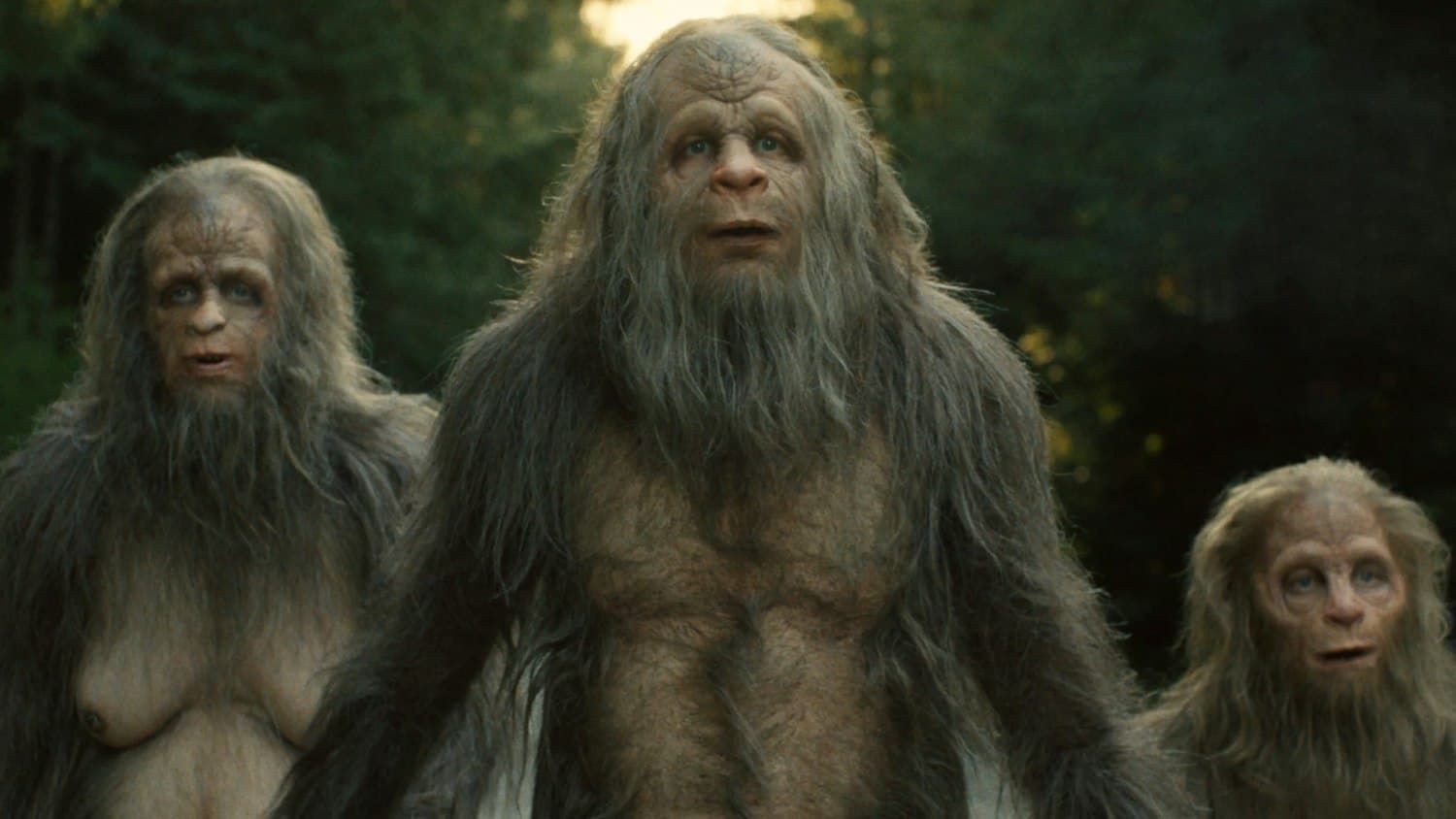
Sasquatch Sunset buries gorgeous cinematography and flashes of poetry under a pile of gross-out gags in the Zellner brothers’ dialogue-free Bigfoot comedy.
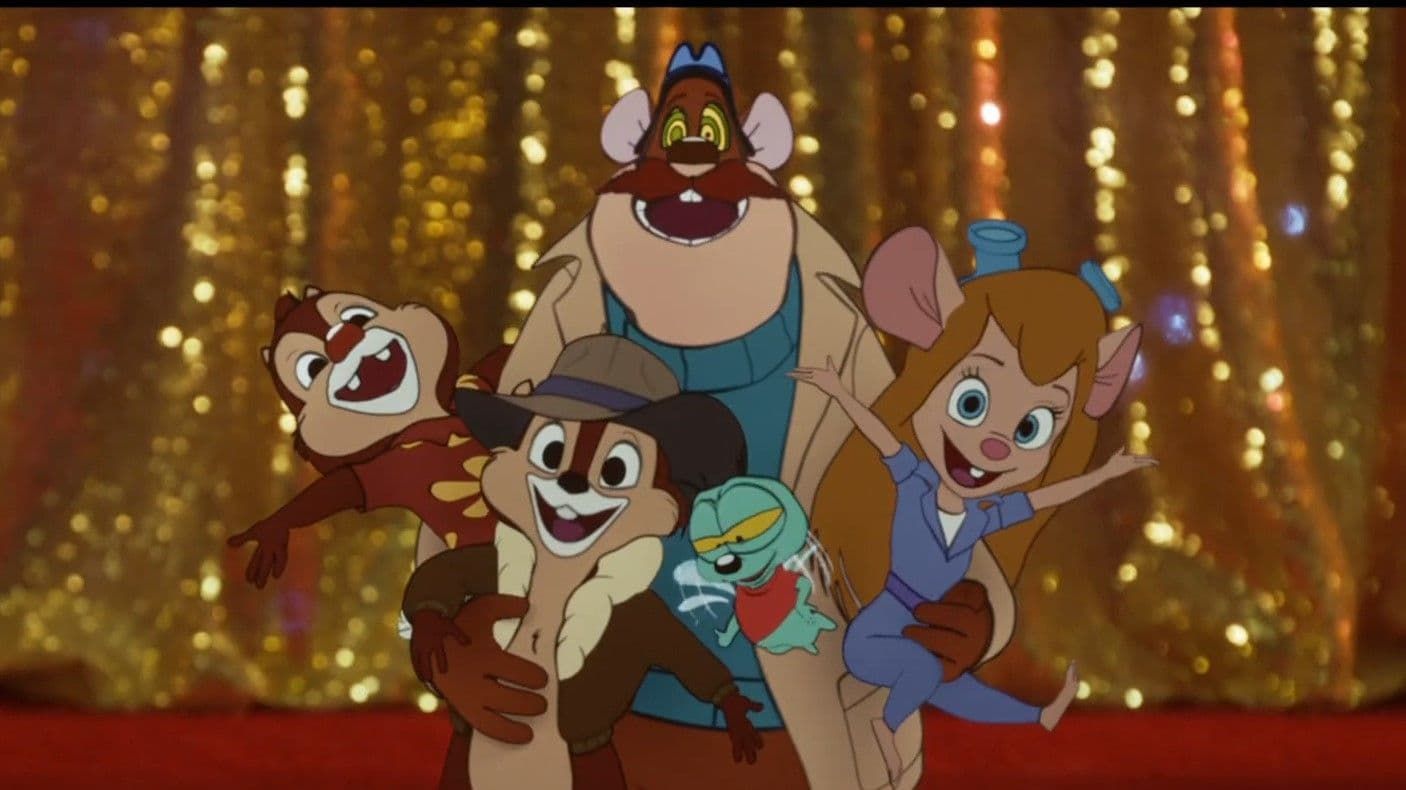
Chip 'n Dale: Rescue Rangers skewers Disney’s reboot culture with clever cameos and meta humor, but the wildly entertaining caper sidelines the original TV gang.
Death Note delivers a thrilling supernatural chase, but its streamlined American adaptation sacrifices much of the moral complexity that made the manga special.
Bill Hader brings energy and heart to "The Cat in the Hat," but an overstuffed story makes this Dr. Seuss adaptation more exhausting than fun for families.
Netflix’s surprise release The Cloverfield Paradox was a major movie event, but this ambitious sci-fi thriller ultimately fails to deliver on its intriguing premise.
Ryan Gosling and Michelle Williams deliver powerful performances in Blue Valentine, a heartbreaking look at love, marriage, and how relationships fall apart.
Rowan Atkinson brings plenty of laughs to "Bean: The Movie," but Americanized humor and an awkward storyline make this big-screen adaptation feel misguided.
At 80, Disney’s Song of the South remains a charming but flawed film whose racial controversy and decades of suppression have made it a cultural lightning rod.
MoviePass, MovieCrash examines the spectacular rise and fall of MoviePass, but misses the excitement that made its moviegoing revolution so memorable.
Noah Baumbach’s Marriage Story for Netflix delivers a heartbreaking portrait of divorce, lost communication, and two people struggling to hold on to their love.
Sasquatch Sunset buries gorgeous cinematography and flashes of poetry under a pile of gross-out gags in the Zellner brothers’ dialogue-free Bigfoot comedy.
Chip 'n Dale: Rescue Rangers skewers Disney’s reboot culture with clever cameos and meta humor, but the wildly entertaining caper sidelines the original TV gang.