
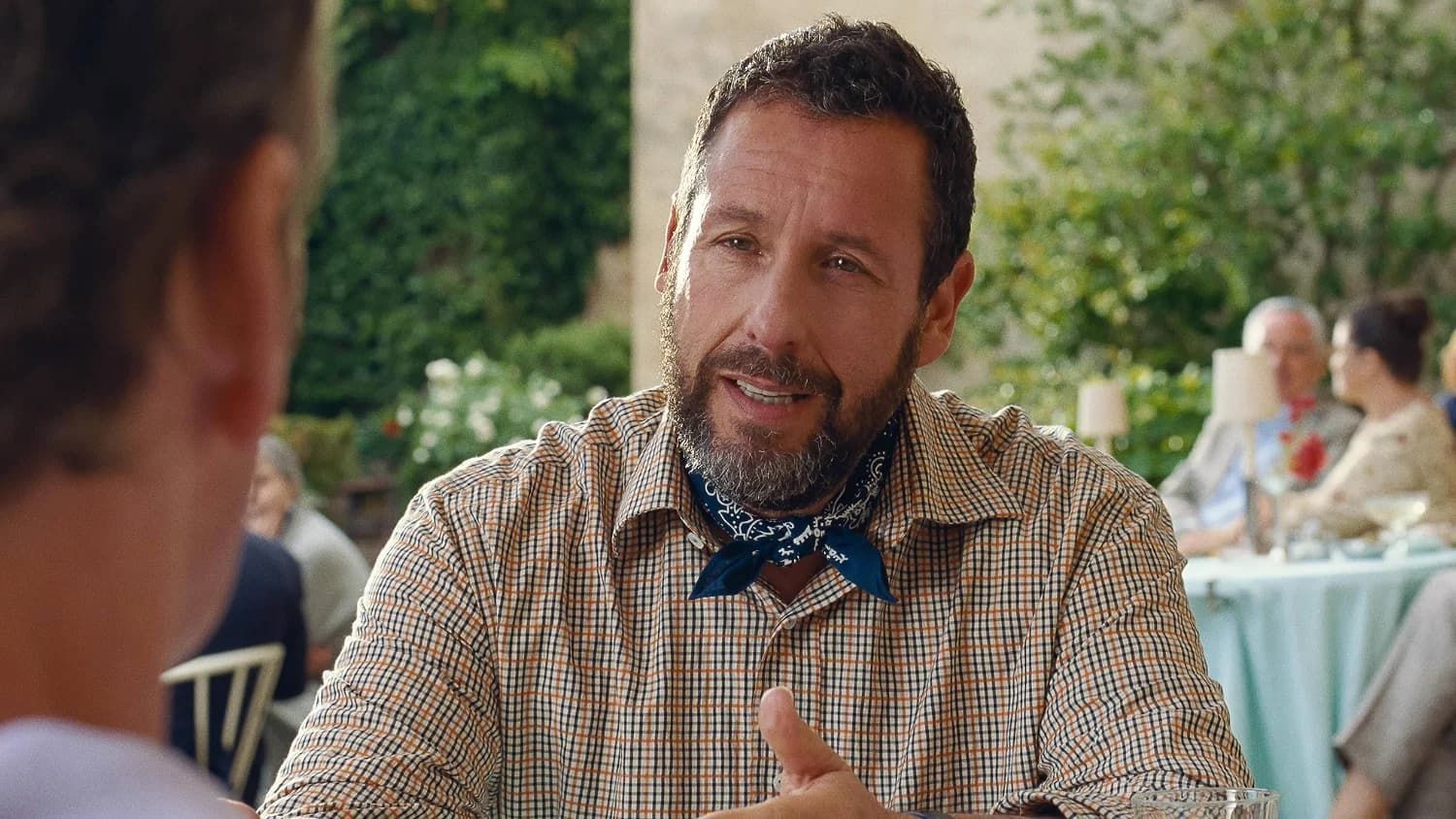
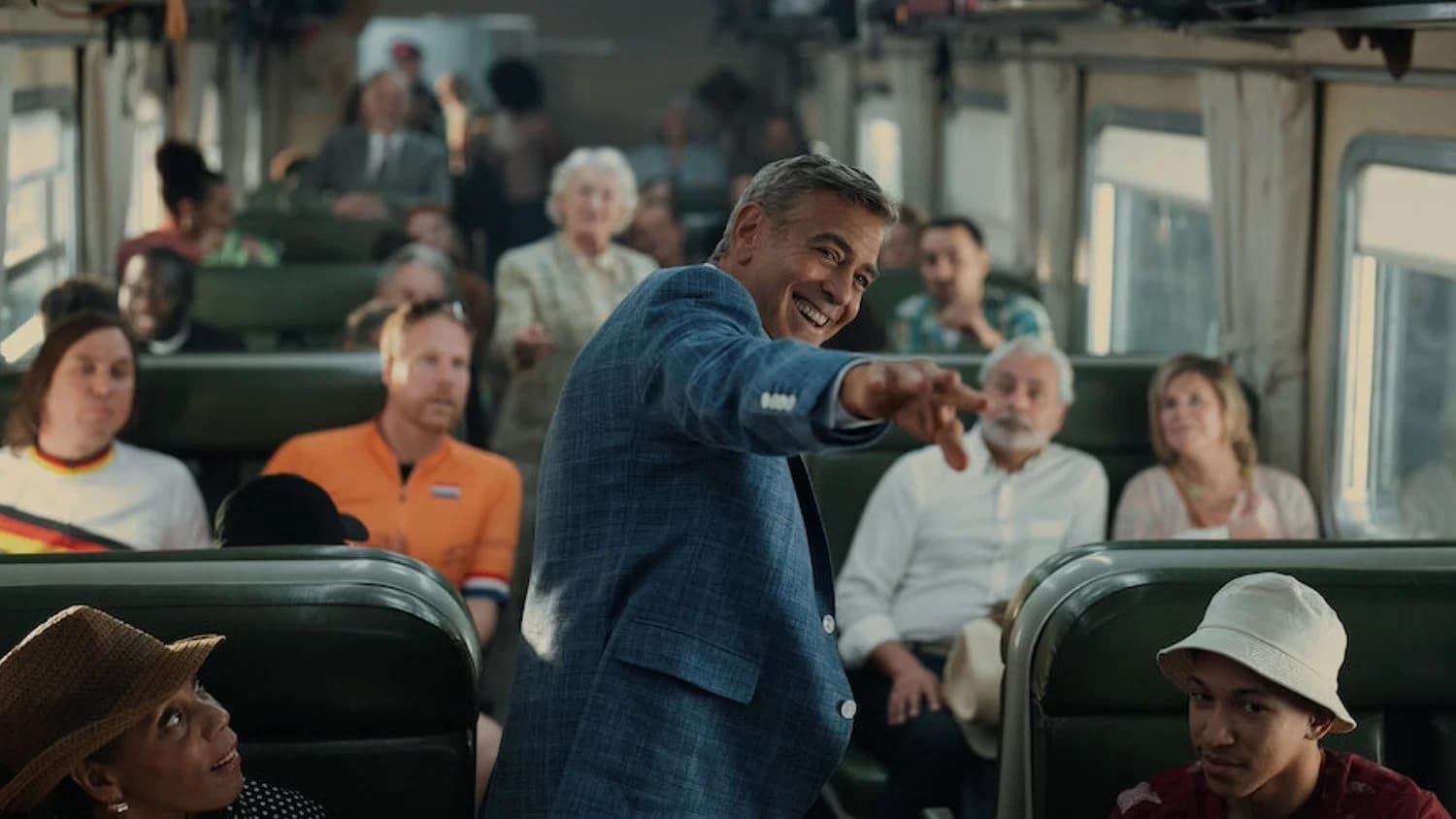



An Oscar campaign for {NAME REDACTED] in "You Can See Everything" isn't just unearned—it could sabotage the doc's historic shot at a Best Picture nomination.

David Fincher's The Social Network explores friendship, ambition, and the rise of Facebook in a sharply written drama that captures a new era of communication.

The Social Reckoning tackles Facebook's misinformation epidemic in a compelling sequel that informs audiences but misses David Fincher's cinematic touch.

*Shoeshine* delivers a heartbreaking portrait of children failed by their families and the justice system, revealing how some injustices endure across generations.
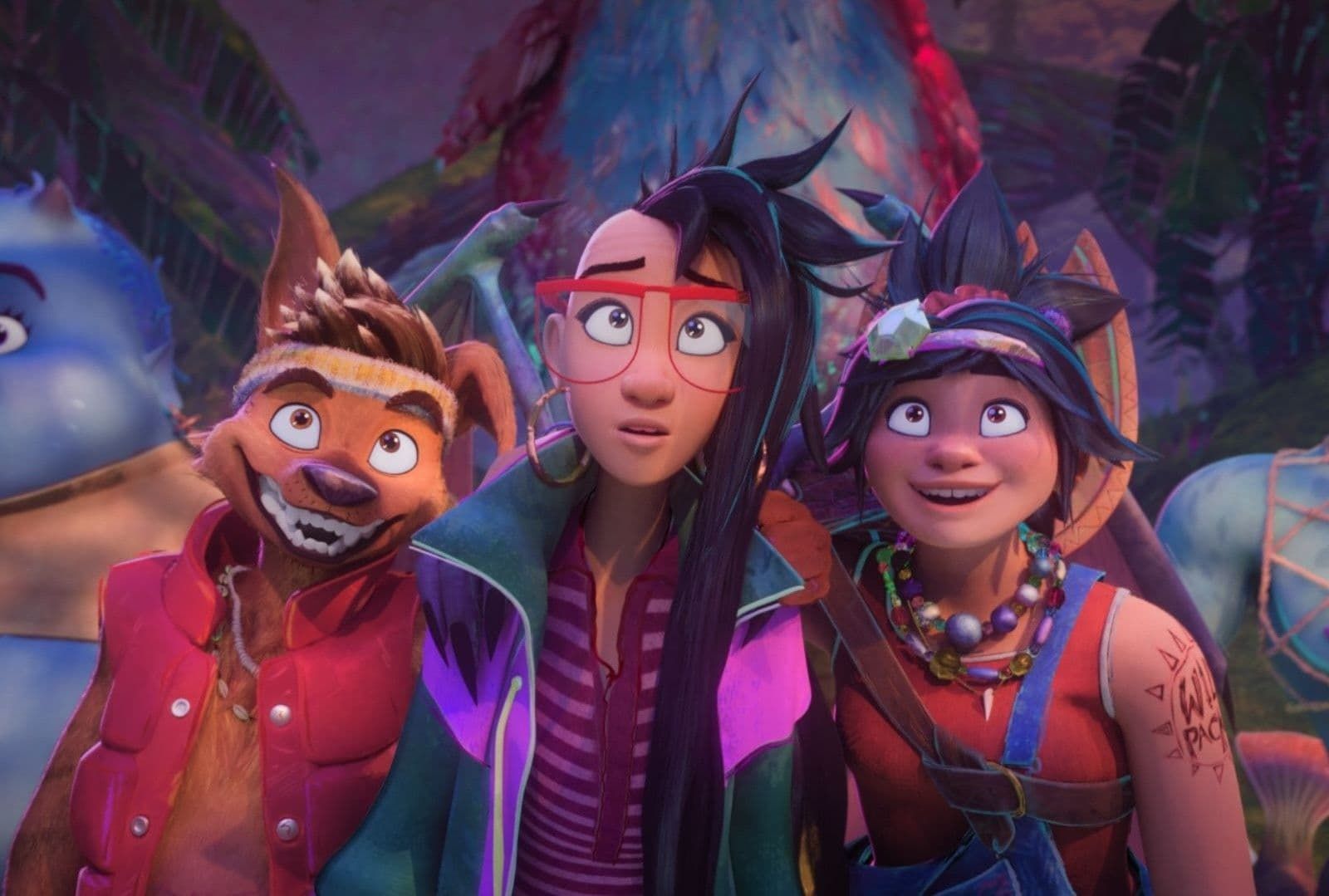
DreamWorks' Forgotten Island blends Filipino culture, bold animation, and visually chaotic energy that ultimately delivers an emotionally satisfying journey.
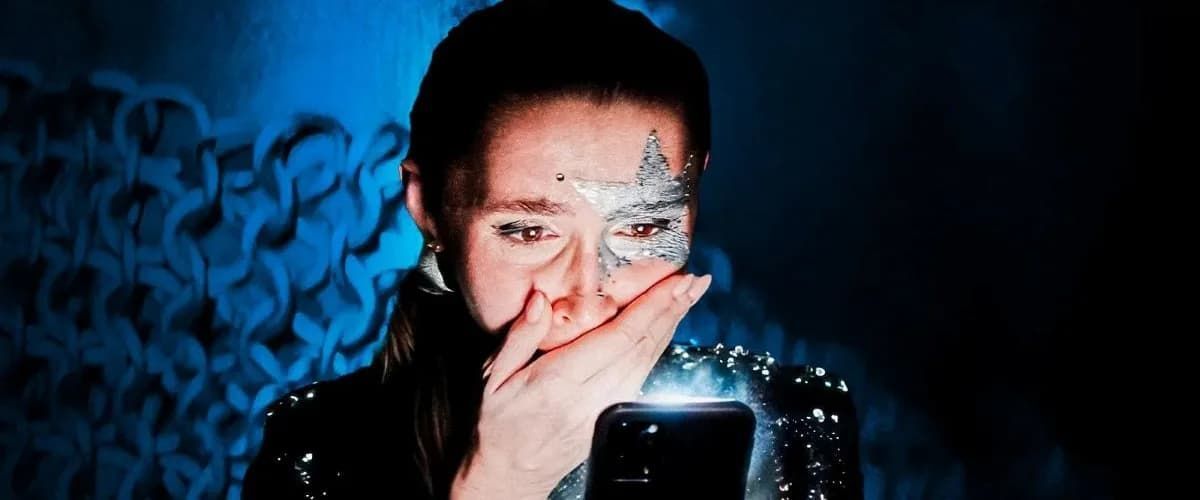
The Influencer Project pushes found-footage horror into offensive territory, relying on provocative content and disturbing imagery rather than intelligence.

Aardman's Shaun the Sheep: The Beast of Mossy Bottom delivers Halloween fun for all ages, combining impressive stop-motion animation with clever visual comedy.
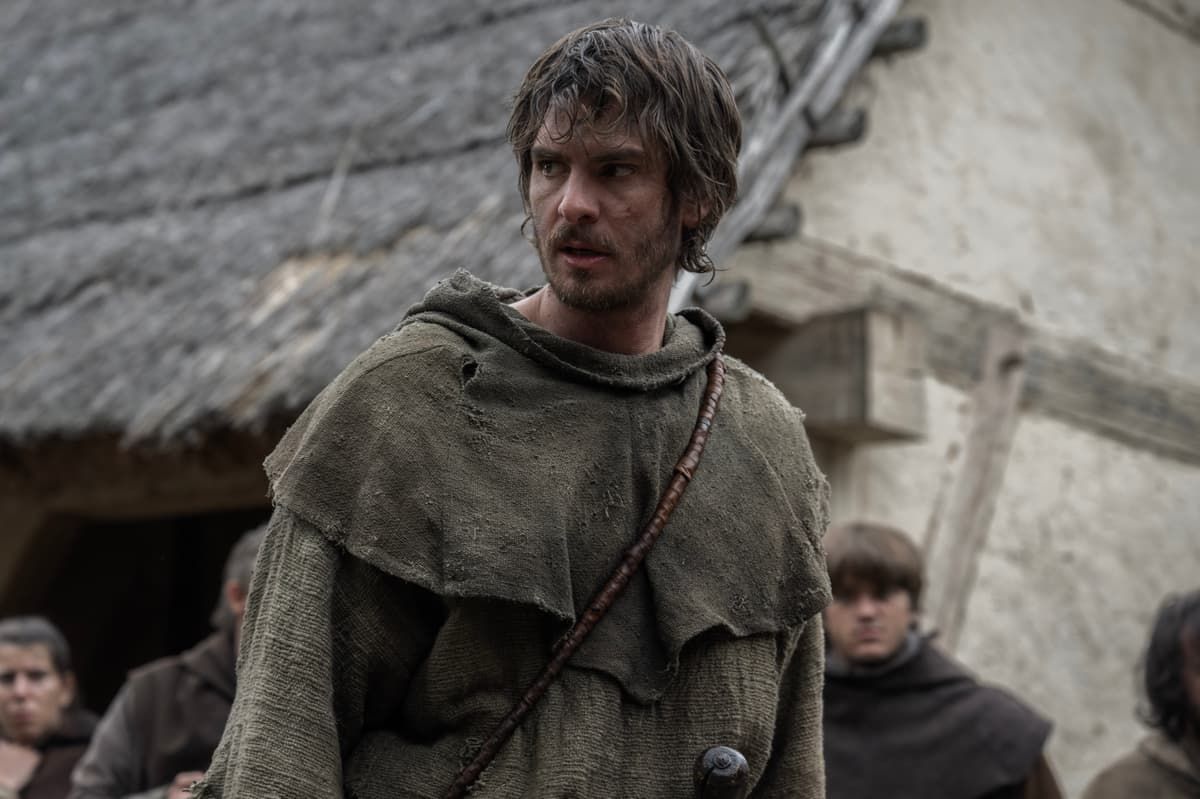
Despite strong performances, solid action, and an intriguing premise, The Uprising struggles to rise above mediocrity and lacks emotional impact or stakes.

Tom Cruise stars as a billionaire oil CEO in Alejandro G. Iñárritu's chaotic black comedy "Digger." Is this wild climate satire a misunderstood masterpiece?

A gripping look at the events aboard United Flight 93, iCritic's review explores how Greengrass's film powerfully captures the fear, courage, and chaos of 9/11.
An Oscar campaign for {NAME REDACTED] in "You Can See Everything" isn't just unearned—it could sabotage the doc's historic shot at a Best Picture nomination.
David Fincher's The Social Network explores friendship, ambition, and the rise of Facebook in a sharply written drama that captures a new era of communication.
The Social Reckoning tackles Facebook's misinformation epidemic in a compelling sequel that informs audiences but misses David Fincher's cinematic touch.
*Shoeshine* delivers a heartbreaking portrait of children failed by their families and the justice system, revealing how some injustices endure across generations.
DreamWorks' Forgotten Island blends Filipino culture, bold animation, and visually chaotic energy that ultimately delivers an emotionally satisfying journey.
The Influencer Project pushes found-footage horror into offensive territory, relying on provocative content and disturbing imagery rather than intelligence.
Aardman's Shaun the Sheep: The Beast of Mossy Bottom delivers Halloween fun for all ages, combining impressive stop-motion animation with clever visual comedy.
Despite strong performances, solid action, and an intriguing premise, The Uprising struggles to rise above mediocrity and lacks emotional impact or stakes.
Tom Cruise stars as a billionaire oil CEO in Alejandro G. Iñárritu's chaotic black comedy "Digger." Is this wild climate satire a misunderstood masterpiece?
A gripping look at the events aboard United Flight 93, iCritic's review explores how Greengrass's film powerfully captures the fear, courage, and chaos of 9/11.